

AI Driver Behavior Monitoring: How It Works for UAE Fleets
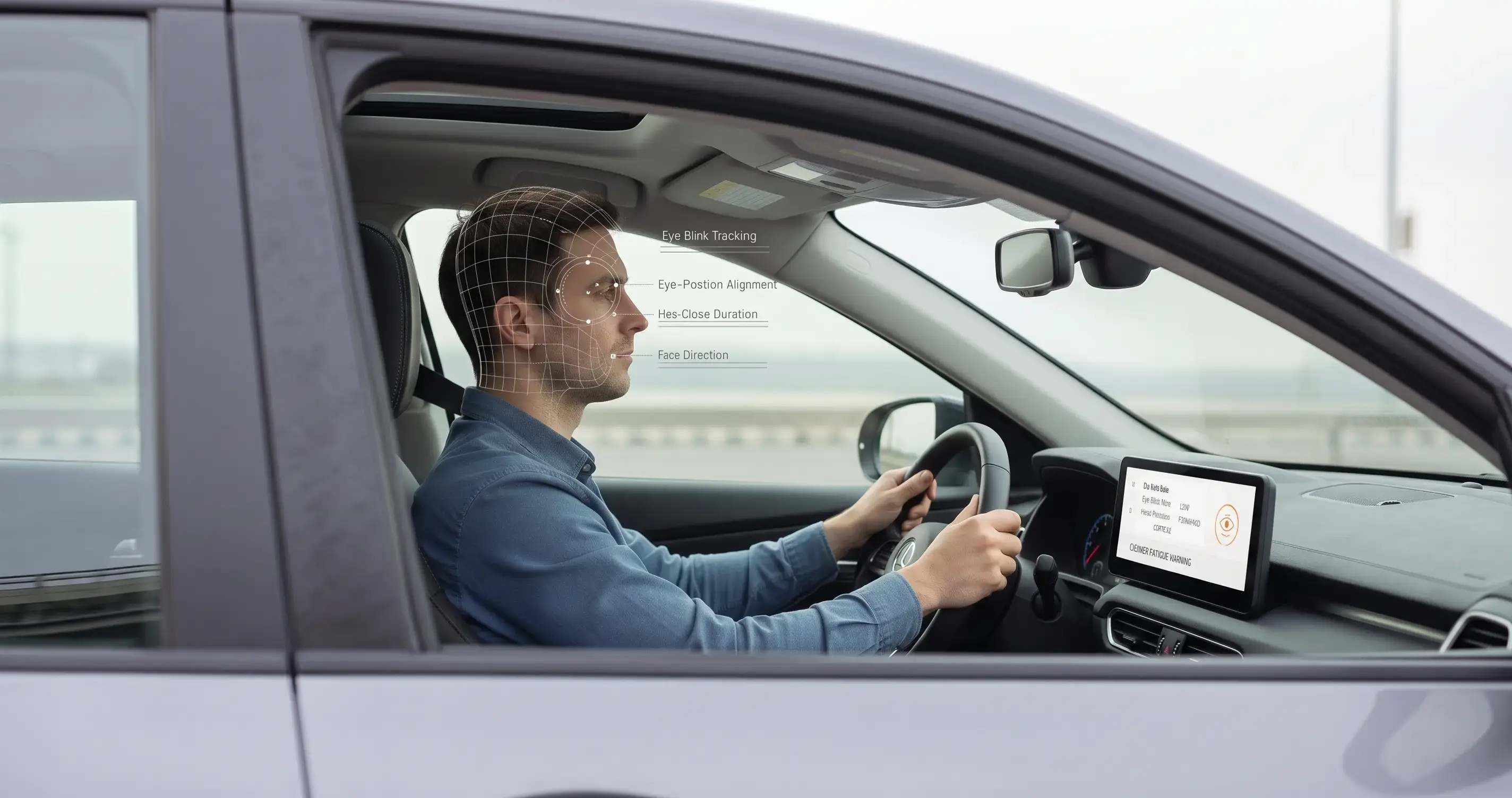
Fleet managers cannot ride along with every driver on every trip. That gap is where harsh braking, speeding and tired driving go unnoticed until they cause a crash, a repair bill or a late delivery.
AI driver behavior monitoring closes that gap. It turns vehicle and driver data into clear alerts and reports, so you can spot risky habits early and coach drivers before small problems grow. This guide explains how it works, why it matters for UAE fleets and how to choose the right system.
What Is AI Driver Behavior Monitoring?
AI driver behavior monitoring utilizes artificial intelligence to analyze the movement patterns of a vehicle and, with the right equipment, the driver as well. Most systems will track speed, sudden stops, acceleration and corners. With an AI fleet dash cam or other sensors, it is possible to identify inattentive driving.
The system will compare this information to ideal safety standards and note any irregularities as alerts or entries in a report. This data is more valuable than anecdotal reports from drivers.
How AI Detects Unsafe Driving Habits
Unsafe driving typically has some consistent elements, and AI can identify these patterns rapidly.
- Speeding
- Sudden braking and acceleration
- Sharp corners
- Excessive idling
- Driving outside of designated windows or parameters
- Reckless lane changes (on systems with the proper cameras)
These are all common unsafe driving patterns.
The equipment necessary to collect this information varies from system to system.
Why Context Matters
While the technology can identify when an unsafe event has occurred, it cannot always determine the context. Hard braking may be necessary if a driver needs to avoid an obstacle. In these cases, context is key, and a single event should not be considered an anomaly. It is the repetition of events that indicate a problem. One driver may accelerate quickly when pulling out of a warehouse while another driver keeps a steadier pace.
Consider this example: a delivery service notices that one of their drivers frequently accelerates rapidly when leaving the warehouse. This may not be an isolated incident and could have an impact on fuel consumption and wear on the tires, which is worth discussing with that driver.eck your vehicle registry against the current SIRA categories in a single call.
Tracking Fatigue and Distracted Driving
Driver fatigue and distractions are difficult to identify and address since one driver can seem to manage a task while another will struggle.
Depending on the system, in-cab cameras or other sensors can collect data on signs of fatigue such as:
- Frequent yawning
- Extended periods with eyes closed
- Nodding head
- Looking away from the road
- Cellphone use
- Smoking
If the system supports it, an alert can be sent to the driver, and notes can be made for later discussion. Not all systems have the same features, so it is important to ask what options are available.
Imagine that one of the drivers on an overnight run between emirates receives a message in the cab letting them know that they should consider pulling over momentarily to take a break. This alert could prevent a minor drowsiness issue from becoming a major accident.
Reports for AI Behavior Monitoring Systems
Most AI-based driver behavior monitoring systems will collate the events and create detailed trip reports for individuals or groups of drivers.
1. What a Good Report Includes
- A good report will highlight the types and frequency of unsafe events, along with comparisons and averages.
- The report should also include information on the specific trips taken and distances driven or the time spent in certain conditions such as idling.
2. Why Reports Matter
- Discussion of reports and patterns help managers and drivers determine areas for improvement.
- Fuel consumption and safe driving go hand-in-hand (a fuel monitoring system makes the link easy to see), and it is often less expensive to encourage safer driving than to deal with the costs of an accident.
3. Using Reports Fairly
- Reports should be objective, highlighting variations in driving patterns rather than making accusations.
- Having data on past trips also makes it much easier to compare drivers operating in similar conditions.
- It is worth noting drivers who perform well to ensure that they continue to do so.
4. Using AI Driver Behavior Monitoring for Coaching
Driver training should be an ongoing process rather than a one-time affair, and monitoring systems and driver management tools can help. By identifying specific problems, discussions with drivers can focus more on resolving concerns rather than general criticism.
- A driver who frequently brakes too hard can practice maintaining a greater safe distance from other vehicles.
- A driver who regularly speeds on certain roads or highways can work with management to plan routes and consider time constraints.
- Some companies choose to have a one-to-one chat once a month while others set general goals such as reducing harsh braking incidents in a quarter.
Drivers will be more receptive to monitoring if they can understand its goals. It is also worth discussing scoring and goal systems if the company wishes to reward drivers who demonstrate safe habits.
5. Why This Matters for UAE Fleet Operators
Fleet operators in the UAE operate in a variety of industries and locations but still face similar concerns.
- Long stretches of highway separate emirates, and these can be combined with heavy traffic in urban areas as well as extreme summer temperatures and work zones.
- While these conditions are challenging for all drivers, commercial fleets have to factor in the costs of fuel, potential fines and driver fatigue.
- Many of these companies also operate high-mileage vehicles on a regular basis, and these can contribute to driver fatigue and inattentiveness.
Having an overview of the fleet as well as individual vehicles and drivers is advantageous from both a safety and compliance perspective. Fleet operators should ensure that the use of monitoring systems and the collection of driver data is in line with local laws, regulations and internal policies. For the basics, read our guide on what is vehicle fleet management.
General Recommendations for Selecting a System
There are several factors that should be considered when choosing a monitoring system.
1. What is the primary goal?
Are incidents and safety the chief concern, or is fuel efficiency a priority, or are there other considerations? Some of the main functions of AI monitoring are identifying unsafe events, addressing driver fatigue and providing information on patterns and reports.
2. Is there a need for cameras?
Not all systems are entirely camera-based. Speeding, harsh braking and other non-camera-based concerns can be identified with other equipment, and real-time GPS tracking is often necessary for mapping and route history.
3. What about false alerts?
They are an annoyance to drivers and can overwhelm managers. It is important to ensure that alerts are relevant and, if possible, request a trial on sample vehicles.
4. Is the report generation and presentation intuitive?
Dashboards and data should be accessible at a glance. There should be an option for more detailed analysis if necessary.
5. What local support is available?
Larger companies will require more assistance with installation and training, and it is important to ensure that there are local representatives available in the UAE.
6. How is data privacy handled?
Personal information and data should be protected, and it is important to ensure that the company has appropriate measures in place.
7. Can the system scale to meet future needs?
There should be options for additional vehicles and features.
8. Has the driver been informed and given the opportunity to ask questions?
It is essential that drivers understand the goals and that the process is not used punitively.
Najoom Al Thuraya GPS Tracking and Fleet Management Solution
Najoom Al Thuraya offers GPS tracking and fleet management solutions for businesses that need to keep an eye on their vehicles. The company can advise commercial operation leaders on the best options for their specific needs and circumstances. Most companies will have different requirements based on the types of vehicles they use.
As with all aspects of this guide, the best place to start is with a conversation with the Najoom Al Thuraya support team. They can indicate which of their solutions would be most useful for the fleet and if driver behavior monitoring would be possible.
Conclusion
AI driver behavior monitoring is a useful tool for companies that need to keep a closer eye on their drivers, identify unsafe habits, address driver fatigue and inattentiveness, detect patterns, score and report performance and aid in training. For UAE fleets that often travel large distances and have to deal with extreme climate conditions, having this visibility is especially beneficial. Define the goals, try the technology and involve the drivers to ensure that everyone is on the same page. To learn more about GPS tracking and fleet management, speak with Najoom Al Thuraya.