

Car Tracker in UAE
Vehicles in the UAE are used for daily Commutes, School Runs, Deliveries, Service Calls, and Business travel across different emirates. Keeping track of a vehicle’s location and movement isn’t always practical to do manually, which is where GPS car trackers can help.
Najoom Al Thuraya supplies and installs GPS Tracking Systems across the UAE for personal vehicles and company fleets. This page explains what a car tracker does, how it’s typically used, and what to consider before choosing one.
What a Car Tracker Actually Does
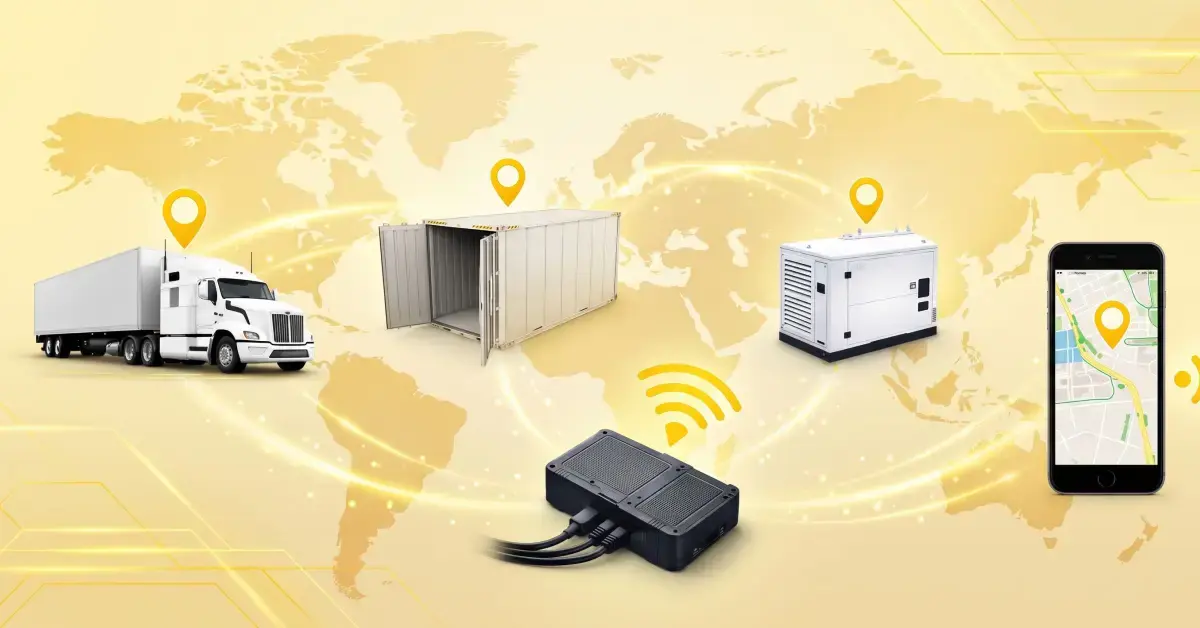
A car tracker is a small device fitted inside the vehicle that uses GPS to determine its location. That location data is sent, usually through a SIM-based connection, to an app or web dashboard that an authorized user can check at any time.
Installation time depends on the vehicle and tracker. When installed correctly by a qualified technician, the device should be fitted according to the manufacturer’s requirements. Once fitted, the device works in the background. There’s nothing to operate day to day, and the information is simply available whenever it’s needed.
Proper installation is important. Devices fitted incorrectly can cause electrical or wiring issues, so it’s worth confirming that installation is handled by someone experienced with vehicle systems.

Why Car Trackers Are Widely Used in the UAE
There are a few recurring reasons people and businesses in the UAE choose to fit a tracker.
Insurance is sometimes mentioned in this context as well. Some insurers may take a fitted tracking device into account when assessing a policy, though this varies between providers and isn’t something we can confirm on their behalf. Vehicle owners interested in this should check directly with their insurance provider.
A tracker does not recover a stolen vehicle on its own, but recent location data can be a useful reference point when reporting a missing vehicle to the police, since it may help narrow down the search.
Being able to check a vehicle’s location through an app gives parents and vehicle owners a way to stay informed without needing to call or message someone who may be driving.
Many owners simply prefer being able to confirm a vehicle’s location, particularly when it is parked for extended periods or shared with other drivers.
Personal Use vs. Business Use
The way a car tracker is used tends to differ depending on whether it’s fitted to a personal vehicle or used across a business fleet.
For personal vehicles, use is typically light. Checking the app occasionally, setting a boundary alert for a specific area, or reviewing recent trip history if something seems unusual is usually enough. It’s designed to sit in the background rather than require regular attention.
For businesses, tracking tends to be part of daily operations. Fleet managers can use the data to review routes, monitor fuel-related patterns such as excessive idling, and keep records of vehicle activity across multiple cars from a single platform. Trip history and timestamps can also serve as a useful reference when confirming vehicle movements or resolving questions about a specific journey.
Driving behaviour data, such as speeding or harsh braking events, is also used by some fleet operators as a starting point for internal reviews or driver conversations, rather than as a standalone disciplinary measure.


Key Features to Understand
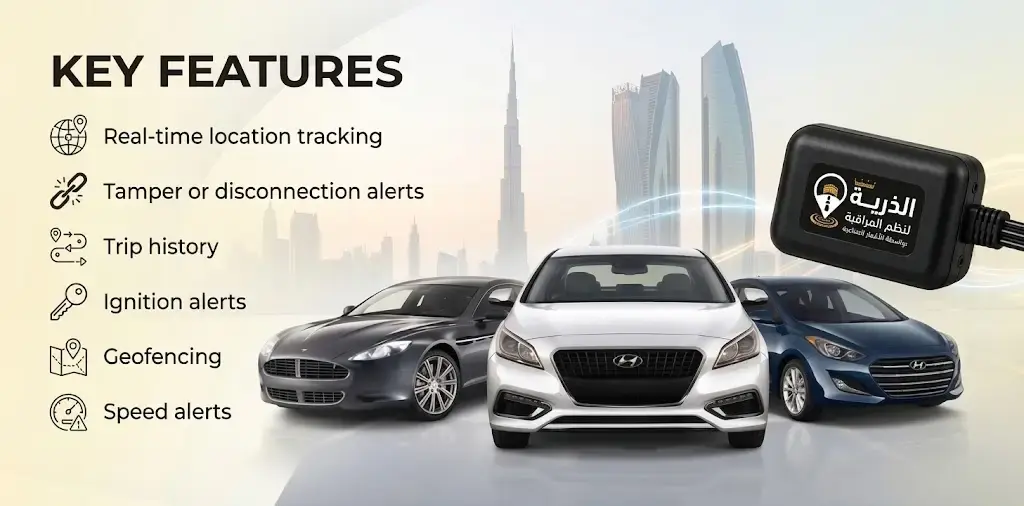
Not every tracker offers the same set of features, and it’s worth understanding what’s actually available before deciding what you need.
A single personal vehicle typically doesn’t need the full reporting capability built for larger fleets, and a business managing several vehicles will usually get more value from multi-vehicle dashboards and reporting tools than from basic features alone.
Choosing the Right Car Tracker in the UAE
A few practical points are worth considering before selecting a tracking system.
Intended use
A single personal car generally needs a straightforward setup, with reliable location tracking, basic alerts, and an easy-to-use app. A fleet requires a system built for multiple vehicles, with reporting features that support day-to-day management.
Ongoing costs
Most GPS trackers require an active subscription for data connectivity, in addition to the initial device cost. It’s useful to factor in the total cost over a year or two rather than the upfront price alone.
Network connectivity
This is an important factor to consider, particularly if the vehicle regularly travels between different areas or emirates, since performance can vary by provider, device, and local network conditions.
Installation and after-sales support
A correctly installed device tends to perform more reliably over time. It’s also worth checking what support is available if the device needs troubleshooting after installation.
Find the Right Tracker for You
The best tracker is the one that suits how you actually use your car, not the one with the most features. Think about your vehicle type, how you’ll use it, and what you want to monitor, then choose based on that.
Looking for a car tracker in the UAE? Najoom Al Thuraya can help you choose a GPS tracking system based on your vehicle, usage, and monitoring needs.
What our Clients Say
Our satisfied clients are real assets for making us more encouraged and dedicated.


